
Robert Duvall (1931–2026): A Quiet Giant of American Cinema
American cinema has lost one of its most enduring and quietly powerful figures. Robert Duvall has passed away at the age of 95, leaving behind a body of work that shaped modern film acting for more than six decades. Known for his restraint, emotional depth, and commanding screen presence, Duvall’s performances were never flashy, yet they carried an unmistakable authority that made him one of the most respected actors of his generation.
Born in 1931 in San Diego, California, Duvall trained at the Neighborhood Playhouse School of the Theatre in New York, where he studied alongside contemporaries who would also become major figures in American cinema. He began his career on stage and television in the late 1950s and early 1960s, gradually building a reputation as a serious and disciplined performer. His film debut came with a small but memorable role as Boo Radley in To Kill a Mockingbird, a performance that hinted at the quiet intensity that would become his trademark.

Duvall rose to international prominence with his portrayal of Tom Hagen, the adopted consigliere of the Corleone family, in The Godfather and its sequel, The Godfather Part II. Amid a cast of towering performances, Duvall stood out through understatement. His calm, calculating presence balanced the volatility around him, demonstrating his remarkable ability to convey complexity through subtle gestures and controlled expression.

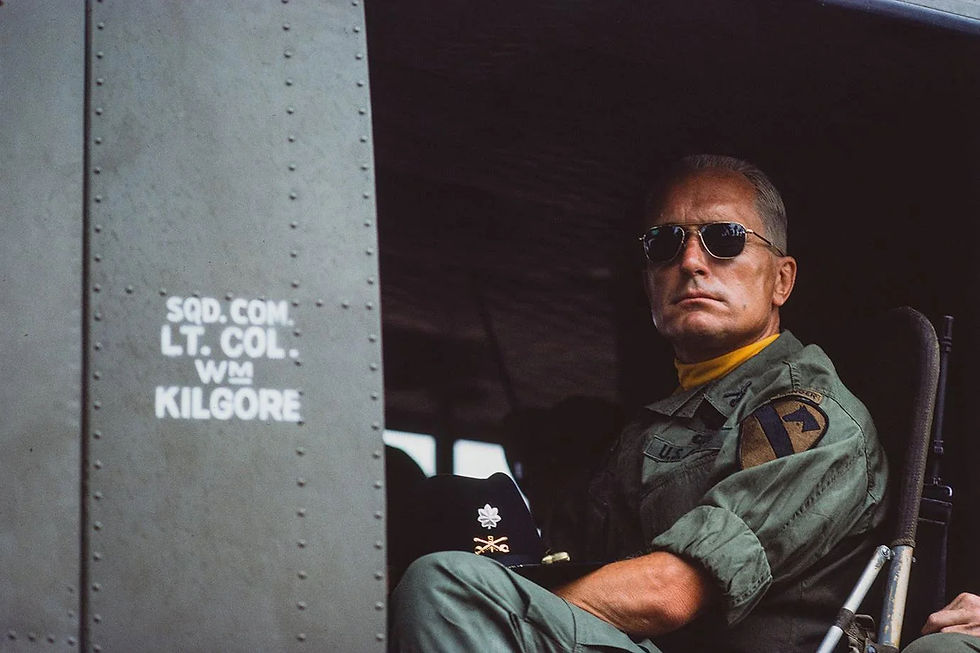
In 1979, he delivered another iconic performance as Lieutenant Colonel Bill Kilgore in Apocalypse Now. The character’s surreal bravado and chilling detachment produced one of cinema’s most quoted lines and showcased Duvall’s range—capable of both dark humor and psychological depth. Yet perhaps his most intimate and moving work came in Tender Mercies, for which he won the Academy Award for Best Actor. His portrayal of a broken-down country singer seeking redemption revealed a profound empathy and humanity that defined much of his later career.
Throughout the 1980s, 1990s, and 2000s, Duvall continued to choose roles that emphasized character over spectacle. Whether playing military officers, preachers, cowboys, or patriarchs, he brought authenticity and moral complexity to each part. He was equally comfortable in large-scale epics and intimate dramas, always prioritizing truthfulness over theatrics.
Beyond his awards—including an Oscar, multiple Golden Globes, and Emmy recognition—Duvall’s legacy lies in his commitment to craft. He belonged to a generation of actors who transformed American screen acting into something more naturalistic and psychologically nuanced. His influence can be seen in countless performers who followed, many of whom cite him as a model of disciplined, character-driven work.
Robert Duvall’s passing marks the end of an era, but his performances remain enduring testaments to the power of subtlety in art. In a medium often drawn to excess, he proved that stillness, patience, and precision could be just as unforgettable.


