
Luis Buñuel: The Door to the Subconscious in Cinema
Updated: Apr 8
One of the most radical and original filmmakers of the 20th century, Luis Buñuel made films not to comfort audiences, but to unsettle them. Born in Spain in 1900, Buñuel pushed the boundaries of cinema both aesthetically and intellectually throughout his career. His films are sharp critiques aimed at the subconscious, desire, religious dogma, and bourgeois morality.

The Surrealist Explosion in Cinema
Buñuel began his career in Paris within the Surrealist circle. Together with painter Salvador Dalí, he created the short film Un Chien Andalou (1929), which features one of the most shocking opening scenes in film history: an eye sliced with a razor. This scene was not designed merely to shock, but to shatter the viewer’s way of seeing. The film does not follow logical storytelling; instead, it relies on the free associations of dreams and the subconscious.
The subsequent film L'Âge d'Or (1930) was banned due to its fierce criticism of the Catholic Church and bourgeois values. This early period laid the foundation for Buñuel’s artistic philosophy: cinema should not uphold order, but expose disorder.

Religion, Desire, and Hypocrisy
Recurring themes throughout Buñuel’s filmography include repressed sexuality, religious hypocrisy, and class contradictions. During his Mexican period, he directed Los Olvidados (1950), a harsh and realistic portrayal of impoverished children. The film avoids romanticizing poverty and earned him the Best Director award at Cannes.
Later works such as Viridiana, condemned by the Vatican, and Belle de Jour, which tells the story of a bourgeois housewife who leads a secret double life in the afternoons, explore the dual nature of desire. In these films, Buñuel does not judge his characters; he presents them with all their contradictions.

The Absurd Theater of the Bourgeoisie
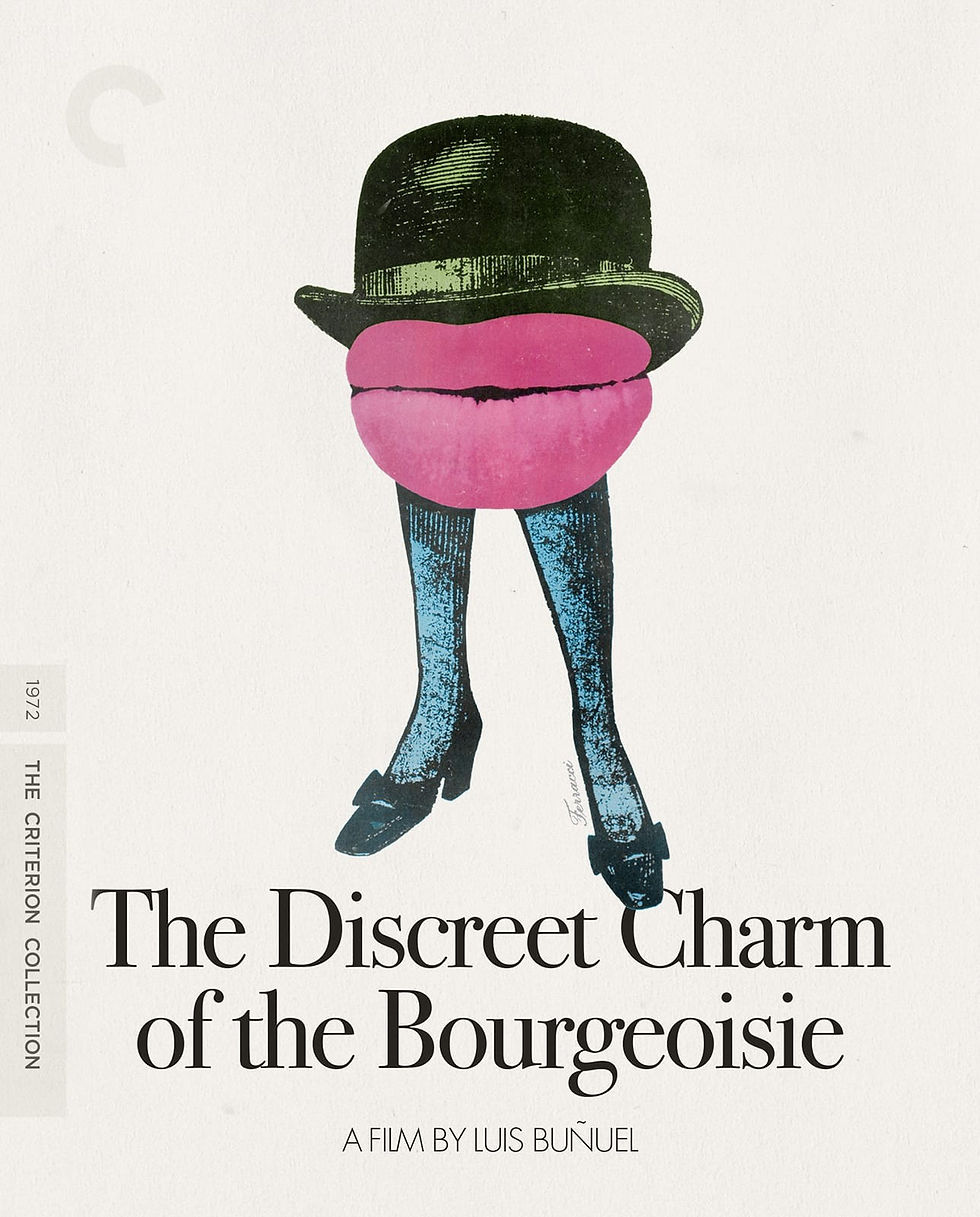
One of Buñuel’s most ironic and intellectually playful works, The Discreet Charm of the Bourgeoisie, follows a group of upper-class friends who repeatedly attempt — and fail — to have dinner together. Blurring the line between dream and reality, the film dissects the artificiality of the upper class. It won the Academy Award for Best Foreign Language Film in 1973.
A Lasting Cinematic Legacy
Luis Buñuel’s legacy lies not only in his surreal imagery but in his intellectual courage. He believed cinema was less a tool for entertainment than a mirror of the subconscious. Many contemporary filmmakers — such as David Lynch and Pedro Almodóvar — have followed the path he helped pioneer.
Buñuel’s cinema does not provide answers; it asks questions. It pushes viewers out of their comfort zones and forces them to confront the dark, contradictory, and often absurd aspects of human nature.

Perhaps Buñuel’s greatest achievement was this:He made cinema speak the language of dreams.


