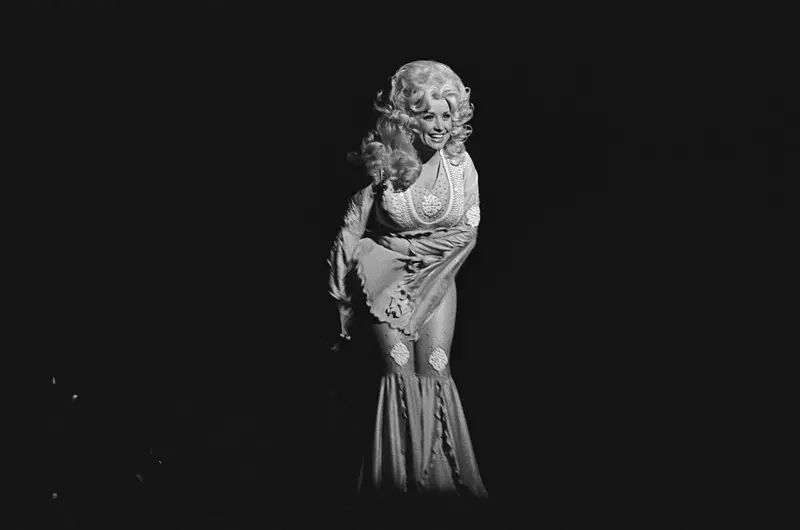
Maria Callas: The Voice That Redefined Opera
Few artists in the history of classical music have left as profound and lasting an impact as Maria Callas. Renowned not only for her extraordinary vocal abilities but also for her dramatic intensity and personal mystique, Callas transformed opera from a purely musical form into a deeply emotional and theatrical experience.

Early Life and Formation
Maria Callas was born in New York City in 1923 to Greek immigrant parents. Her early years were marked by a strict upbringing and an intense focus on music. After her parents separated, she moved to Athens, where she studied at the Athens Conservatoire. There, her prodigious talent quickly became evident.
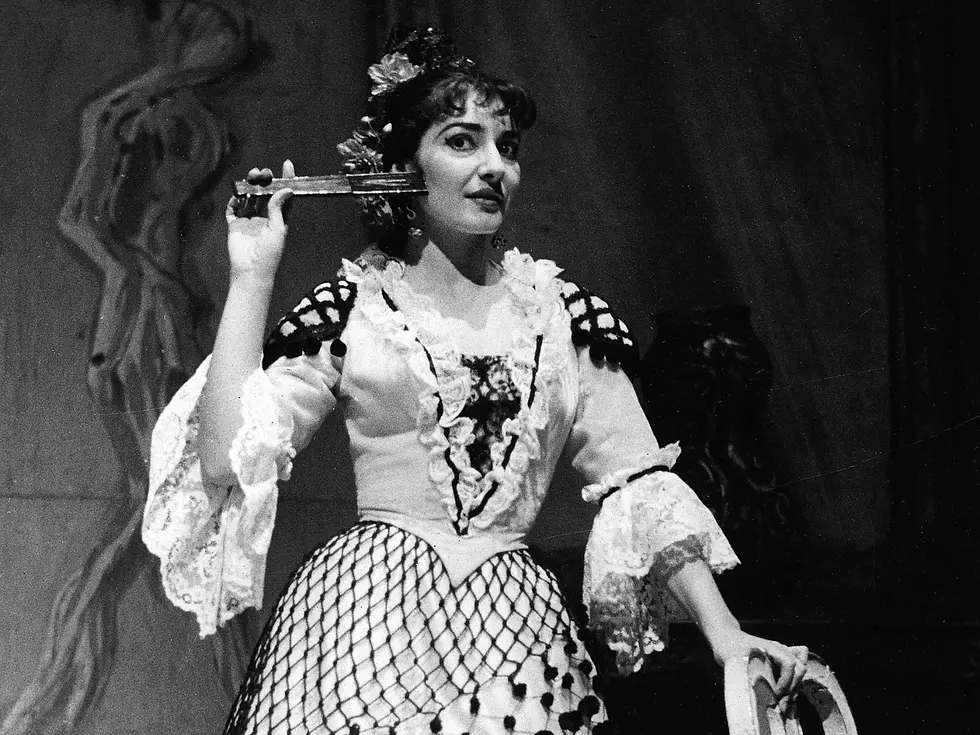
Her formative years in Greece coincided with the difficult period of World War II, yet she continued her training and began performing professionally at a young age. These early experiences shaped both her technical discipline and emotional depth.
Rise to Fame
Callas’s international breakthrough came in the late 1940s when she began performing in Italy, particularly at the legendary La Scala. It was here that she established herself as a leading soprano of her generation.
What distinguished Callas was her ability to revive the bel canto repertoire—works by composers like Vincenzo Bellini and Gaetano Donizetti—which had fallen somewhat out of favor. She brought new life to these operas by combining vocal agility with unprecedented dramatic expression.
Her interpretations of roles such as Norma, Lucia di Lammermoor, and Tosca became definitive. Unlike many singers of her time, Callas treated opera as a complete art form, where acting, voice, and psychology were inseparable.
Artistic Style and Innovation
Maria Callas revolutionized opera through her unique synthesis of:
Technical mastery (wide vocal range and control)
Emotional intensity
Theatrical realism
She was often compared to earlier operatic traditions but ultimately stood apart. Her performances were not merely about beautiful singing—they were about truth. Every phrase carried emotional weight, every gesture contributed to character.
Her collaboration with directors such as Luchino Visconti further pushed opera toward modern theatrical standards, emphasizing realism and psychological depth.
Personal Life and Public Image
Callas’s life offstage was as dramatic as her performances. Her relationship with Greek shipping magnate Aristotle Onassis attracted intense media attention and contributed to her global fame.

At the same time, her career was marked by vocal decline, cancellations, and conflicts with opera houses. These struggles, combined with her transformation from a relatively unknown singer into an international icon, created a powerful and sometimes tragic public persona.
Legacy and Influence
Maria Callas died in 1977 in Paris, but her influence remains immense. She reshaped how opera is performed and perceived:
She restored dramatic authenticity to classical repertoire
She inspired generations of singers to prioritize interpretation over mere vocal perfection
She elevated opera into a more psychologically engaging art form
Today, Callas is often regarded not just as a great soprano, but as the defining opera artist of the 20th century. Her recordings continue to be studied, and her interpretations remain benchmarks for excellence.
Maria Callas was more than a singer—she was a transformative force in the world of opera. By merging technical brilliance with emotional truth, she redefined what it means to perform. Her legacy endures not only in recordings and archives but in the very way opera is understood today: as a living, breathing expression of human emotion.