What Made The Beatles Unstoppable
There are bands that succeed, bands that define an era, and then there are those rare anomalies that seem to bend culture itself around their existence. The Beatles belonged to the latter category. Their rise was not accidental, nor was it solely the product of timing. It was a convergence of personality, innovation, cultural readiness, and an almost uncanny instinct for reinvention.

At the core of their appeal was contrast. Four distinct individuals—each with their own voice, temperament, and artistic inclination—formed a unit that felt both cohesive and unpredictable. This internal diversity became their greatest asset. Where many bands found a formula and exhausted it, The Beatles treated identity as something fluid. They were never just one thing for too long.
Equally crucial was their relationship with change. The early 1960s introduced them as charming, energetic pop figures, perfectly aligned with a post-war youth eager for optimism. But instead of remaining safely within that space, they evolved alongside their audience—and often ahead of it. As social landscapes shifted, so did their sound. They absorbed influences from classical music, Eastern traditions, avant-garde experimentation, and emerging studio technologies, transforming each into something accessible without diluting its essence.
This willingness to experiment was amplified by their use of the recording studio not as a passive space, but as an instrument in itself. They redefined what recorded music could be, pushing beyond live performance limitations. Layering, tape manipulation, unconventional arrangements—these were not gimmicks, but tools in a broader artistic language. In doing so, they helped establish the modern idea of the album as a conceptual work rather than a mere collection of songs.
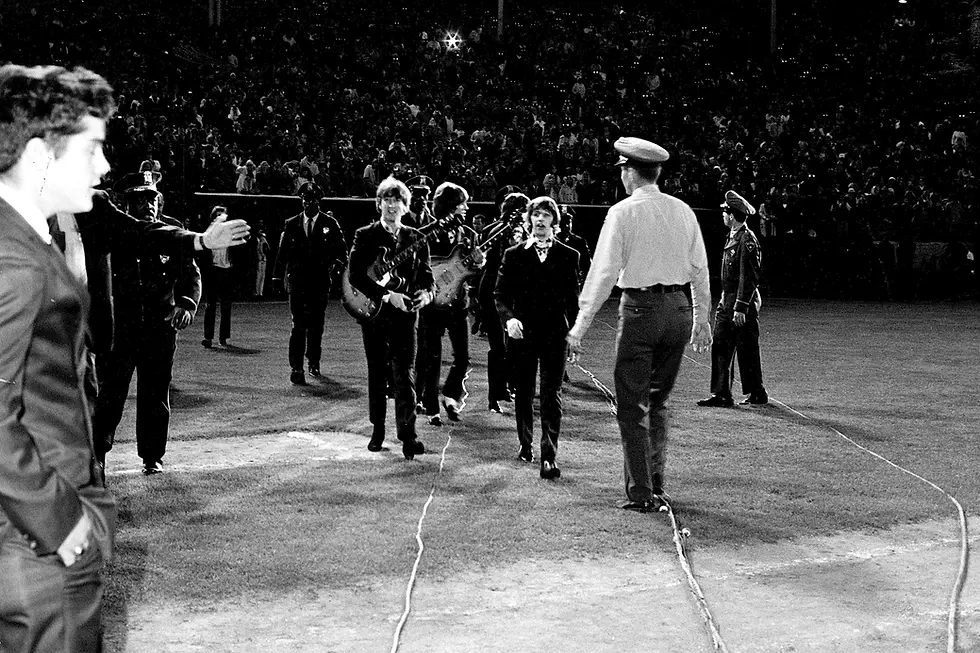
Cultural timing, however, cannot be ignored. The Beatles arrived at a moment when mass media was expanding rapidly. Television, radio, and print created a feedback loop of visibility that amplified their presence globally. Yet exposure alone does not guarantee impact. What set them apart was how naturally they inhabited that spotlight. They were witty without seeming rehearsed, rebellious without appearing threatening. They felt both aspirational and accessible—a delicate balance that made audiences feel personally connected to them.

There was also an emotional intelligence embedded in their work. Their songwriting matured in real time, mirroring the psychological and emotional development of their listeners. Early themes of love and longing gradually gave way to introspection, ambiguity, and even disillusionment. This progression allowed fans to grow with them, rather than outgrow them.
Perhaps most importantly, The Beatles understood—or intuitively felt—that permanence in art comes from movement. They resisted stagnation. Every phase of their career contained the seeds of the next, creating a narrative arc that remains compelling decades later. They did not just produce music; they constructed a cultural journey.
In the end, their greatness lies not in a single innovation, but in the accumulation of many: musical, cultural, and emotional. They were not simply ahead of their time—they were in constant dialogue with it, reshaping it as they moved forward. And that is what made them not just famous, but foundational.