
Odyssey: The Endless Journey That Continues to Shape Art
Written nearly three thousand years ago, the Odyssey still continues to influence modern cinema, contemporary art, music, and literature. Attributed to the ancient Greek poet Homer, this epic is far more than the story of a hero returning home; it is a timeless reflection on loss, transformation, and the human search for identity. Perhaps this is why the Odyssey never truly belonged only to the past. Every era has projected its own fears and dreams into the story.

The narrative begins after the end of the Trojan War. Odysseus, king of Ithaca, longs to return home, yet the wrath of the gods and the cruelty of fate turn his journey into a ten-year struggle. Along the way he encounters Sirens, Cyclopes, the sorceress Circe, and terrifying sea creatures. But the true power of the Odyssey lies beneath these mythical encounters. Each obstacle becomes a metaphor for the fears, desires, and temptations hidden within the human mind. While Odysseus attempts to reach home, he is ultimately trying to preserve his own identity.

The origins of the epic are just as fascinating as the story itself. The Odyssey was not initially a written text; it emerged from an oral tradition passed from generation to generation. Ancient Greek storytellers recited these poetic tales before audiences, reshaping the narrative with each performance. For this reason, the Odyssey is not merely a literary work but a living fragment of collective human memory.
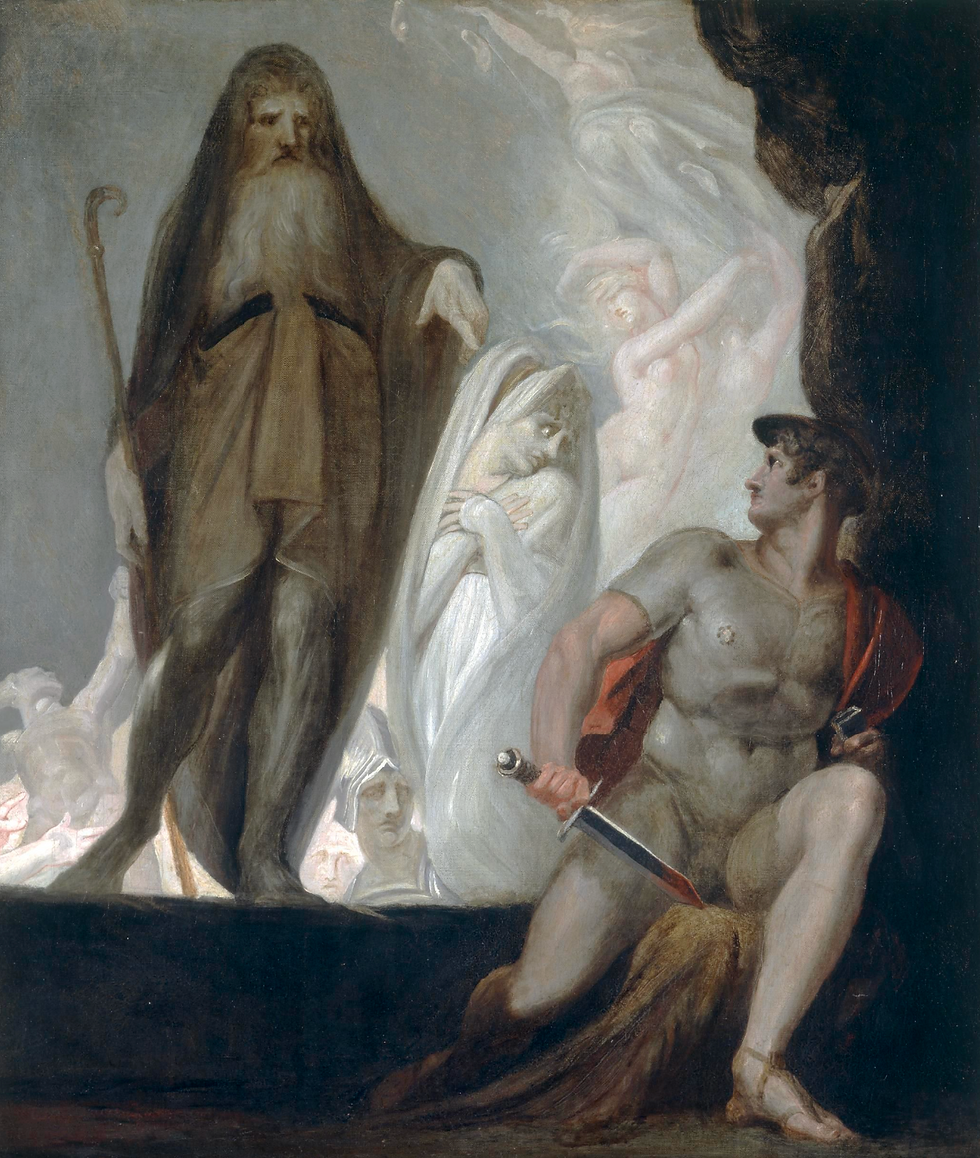
Over the centuries, countless artists became captivated by its imagery and emotional depth. James Joyce drew direct inspiration from the epic when writing Ulysses, widely regarded as one of the masterpieces of modern literature. Joyce transformed Odysseus’s journey into the streets of modern Dublin, merging ancient myth with the loneliness of contemporary life. In visual art, painters repeatedly returned to themes such as the Sirens, Penelope, and the sea voyage to explore the complexities of human psychology. Symbolist artists in particular were deeply influenced by the dreamlike atmosphere that drifts between reality and illusion throughout the epic.
Cinema has also reimagined the Odyssey many times. O Brother, Where Art Thou? became a cult reinterpretation of the epic set in the American South, while Assassin's Creed Odyssey transported players directly into an interactive version of Ancient Greece. Today, theater directors and contemporary artists continue to reinterpret the story through themes such as migration, war trauma, and alienation. For many artists exploring exile and displacement, Odysseus has become a powerful symbol of the modern individual searching for belonging in a fractured world.
With the rise of digital technology, the Odyssey has also entered the realm of immersive art. Virtual reality projects allow audiences to experience the sensation of sailing beside Odysseus, while AI-assisted visual works reinterpret the epic’s imagery through contemporary aesthetics. A poem born thousands of years ago is now being reshaped by the technologies of the future.

One of the most anticipated modern reinterpretations is the upcoming film The Odyssey by Christopher Nolan. The film stars Matt Damon as Odysseus, alongside a cast that includes Tom Holland, Anne Hathaway, Robert Pattinson, Zendaya, and Charlize Theron. Reportedly filmed entirely with IMAX cameras, the project is already being described as one of Nolan’s most ambitious productions. Early previews suggest a dark and monumental interpretation of Cyclopes, Sirens, and Odysseus’s fragmented memory. The film is scheduled for release on July 17, 2026.
Nolan’s interest in the Odyssey feels almost inevitable. His films have always revolved around themes of time, memory, and fractured identity — the very same ideas that define Homer’s epic. The Odyssey ultimately asks a question that remains timeless: after a long and transformative journey, can a person ever truly return home as the same individual? Perhaps this is why the Odyssey continues to endure — not merely as an ancient myth, but as an eternal mirror of humanity itself.


