
The Art of Acrylic Painting: Techniques, Subtleties, and Modern Masters
Acrylic painting has become one of the most versatile and widely used techniques in contemporary art, offering artists a unique balance between control and spontaneity. Unlike oil paint, acrylic dries quickly, allowing for rapid layering and experimentation, yet it can also be manipulated to mimic the richness of oils or the transparency of watercolor.

One of the key subtleties of working with acrylic paint lies in understanding its drying time. Because acrylics dry fast, artists must learn to work efficiently or use retarders to slow the process. This characteristic, however, also enables techniques such as layering and glazing to be executed within a short period. Another important aspect is surface preparation. Acrylic adheres well to various surfaces—canvas, wood, paper—but priming with gesso ensures durability and enhances color vibrancy.
Water control is equally essential. While acrylic paint is water-based, too much dilution can weaken the pigment and affect adhesion. Skilled artists balance water and medium carefully to maintain both fluidity and intensity. Additionally, brush handling and texture play a crucial role. Acrylics can be applied thickly for impasto effects or thinned for smooth gradients, giving artists a wide expressive range.
Color behavior in acrylic painting also demands attention. Acrylic colors tend to dry slightly darker than they appear when wet, so experienced painters learn to anticipate this shift. Blending, often more challenging than with oils due to the quick drying time, requires either fast execution or the use of specialized blending mediums.
In terms of art history, acrylic paint is relatively modern, gaining prominence in the mid-20th century. One of its most influential pioneers was David Hockney, who embraced acrylics for their bright, flat colors and used them extensively in his iconic pool paintings. Another major figure is Mark Rothko, whose large-scale color field works, although often associated with oil, influenced acrylic painters in their exploration of color and emotional depth.

Andy Warhol played a crucial role in popularizing acrylic through his use of commercial techniques and bold, graphic imagery. His works demonstrated how acrylic could align with modern mass culture. Similarly, Helen Frankenthaler contributed to the development of staining techniques that later became integral to acrylic painting, influencing artists working with fluid applications.
Another notable artist is Bridget Riley, who used acrylics to achieve sharp, clean lines essential for her optical illusions. The precision and consistency of acrylic paint made it ideal for her visually dynamic compositions.
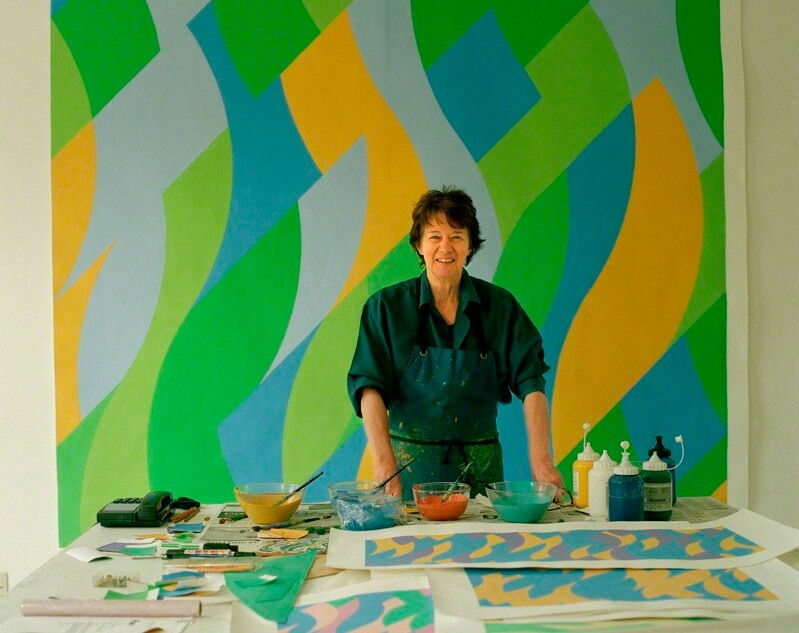
Today, acrylic painting continues to evolve, bridging traditional and contemporary practices. Its adaptability allows artists to experiment freely, making it a preferred medium for both emerging and established creators. Mastering acrylic painting requires not only technical understanding but also a willingness to explore its possibilities—embracing both its limitations and its strengths as a modern artistic tool.


