
Dolly Parton: America Lowers Its Flags for a Cultural Icon
Dolly Parton, one of the most beloved and influential figures in American popular culture, has died at the age of 80. Parton passed away peacefully in Nashville on August 25, 2026, following a brief battle with cancer. Her death has prompted an extraordinary national tribute: President Donald Trump ordered U.S. flags across the country to be flown at half-staff through sunset on September 1, marking the passing of a woman whose influence extended far beyond music.
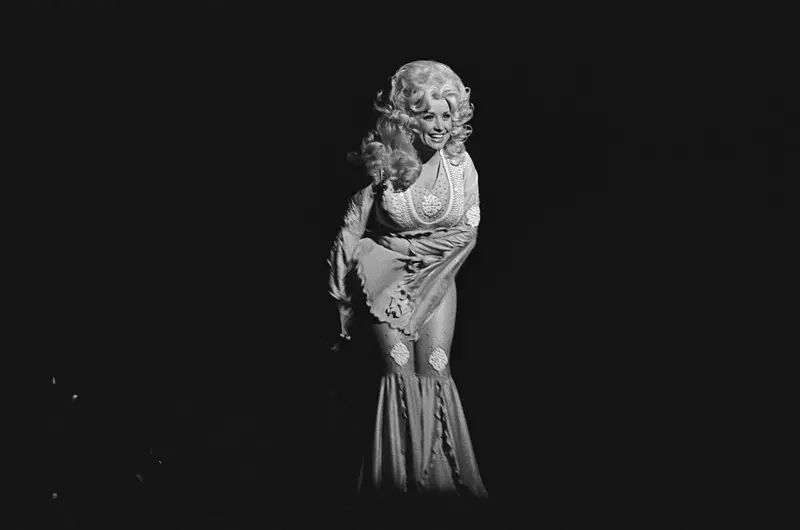
Few artists have occupied such a unique place in American life. Born in 1946 into a large, impoverished family in the mountains of Tennessee, Parton transformed the experiences of rural Appalachia into songs that eventually reached audiences around the world. Her early life became an essential part of her artistic identity, giving her songwriting a rare combination of intimacy, humor and emotional honesty. (Country Music Hall of Fame and Museum)
Her career was extraordinary in both its scale and its range. As a songwriter, she created enduring classics including Jolene, Coat of Many Colors and I Will Always Love You. The latter became an international phenomenon decades later when Whitney Houston recorded it for The Bodyguard, demonstrating the extraordinary durability of Parton’s songwriting. She ultimately wrote around 3,000 songs and sold more than 100 million records worldwide.

But Parton refused to remain within the boundaries of country music. She successfully crossed into pop, Hollywood, television and musical theatre, becoming a major film star through movies such as 9 to 5 and Steel Magnolias. Her ability to move between genres without abandoning her identity became one of the defining characteristics of her career. The Rock & Roll Hall of Fame described her as an artist who repeatedly crossed musical and cultural boundaries while maintaining her authenticity. (Rock & Roll Hall of Fame)
Her achievements were matched by an extraordinary commitment to philanthropy. Through the Dollywood Foundation and Dolly Parton’s Imagination Library, she helped put millions of books into the hands of children around the world. She also donated $1 million toward COVID-19 vaccine research, another example of how her public influence was repeatedly converted into tangible social impact.
Parton’s importance, however, cannot be measured only in awards, record sales or charitable donations. She represented something distinctly American: the possibility of turning poverty into ambition, regional identity into international culture, and personal storytelling into a universal language. She could be glamorous without losing her connection to her roots, commercially successful without appearing distant, and enormously famous while maintaining an unusually warm relationship with the public.

Her recognition reflected that extraordinary breadth. Parton became a member of the Country Music Hall of Fame, the Songwriters Hall of Fame and, in 2022, the Rock & Roll Hall of Fame. She also received the National Medal of Arts, the Kennedy Center Honors and a Grammy Lifetime Achievement Award.
The sight of American flags lowered across the country therefore carries a significance beyond the death of a celebrated singer. It reflects the passing of an artist who became part of the country’s cultural identity itself. Dolly Parton belonged to country music, but she also belonged to Hollywood, Appalachia, Nashville, American philanthropy and, ultimately, to several generations of listeners around the world.
For decades, Parton built a career around songs about love, heartbreak, poverty, resilience and hope. Now, with her death, those songs become the most enduring part of her legacy. America has lowered its flags, but the music she created will continue to fly.


